10/2024 —
02/2025
Speculation,
Immersive
Technologies
with
Vivien Serve,
Leonidas
Bothmer
Phygital Spaces
graphics
all
exploration
research
story
prototype


Location
Location
Location
Specifics
Specifics
Specifics
Conflict
Conflict
Conflict
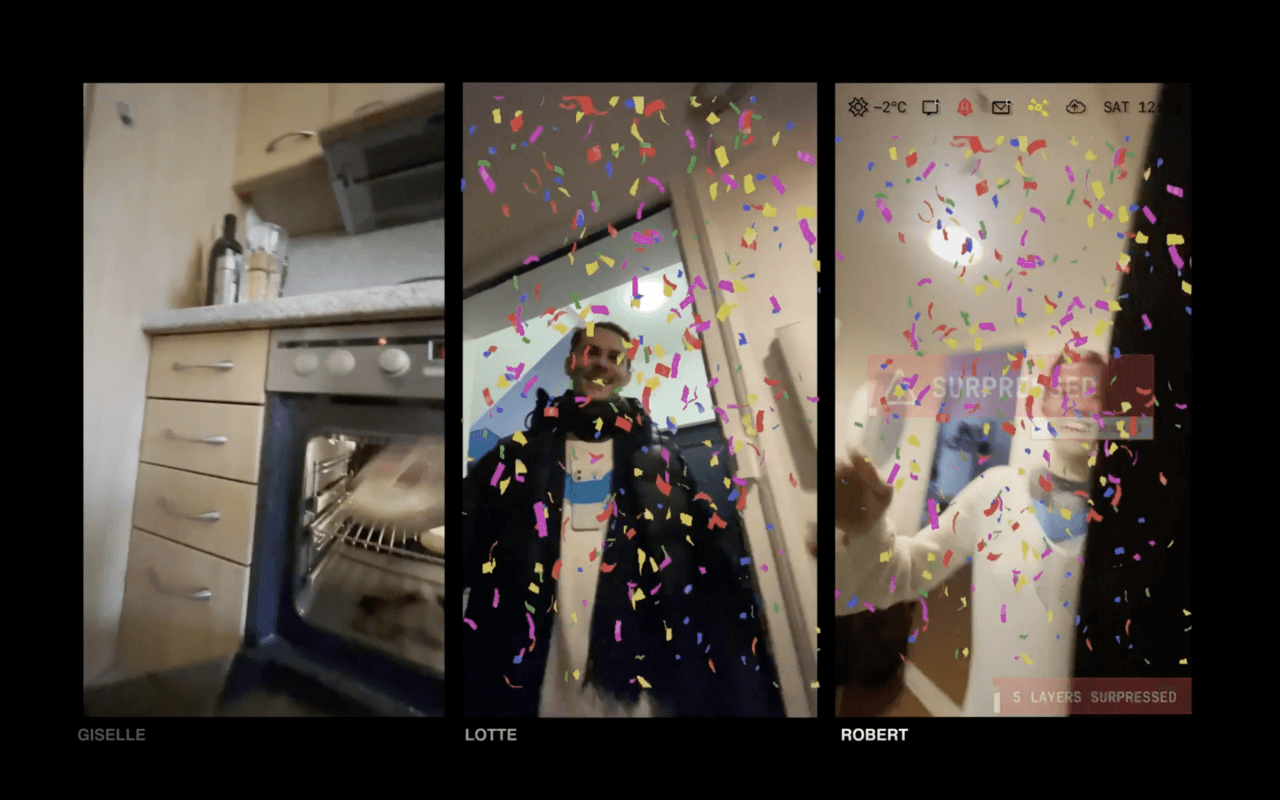
In Giselle’s Flat
Geofencing
Possibility to restrict individual’s layers in private property
Conflict of privacy and individuals rights to define and shape private space

On the Streets

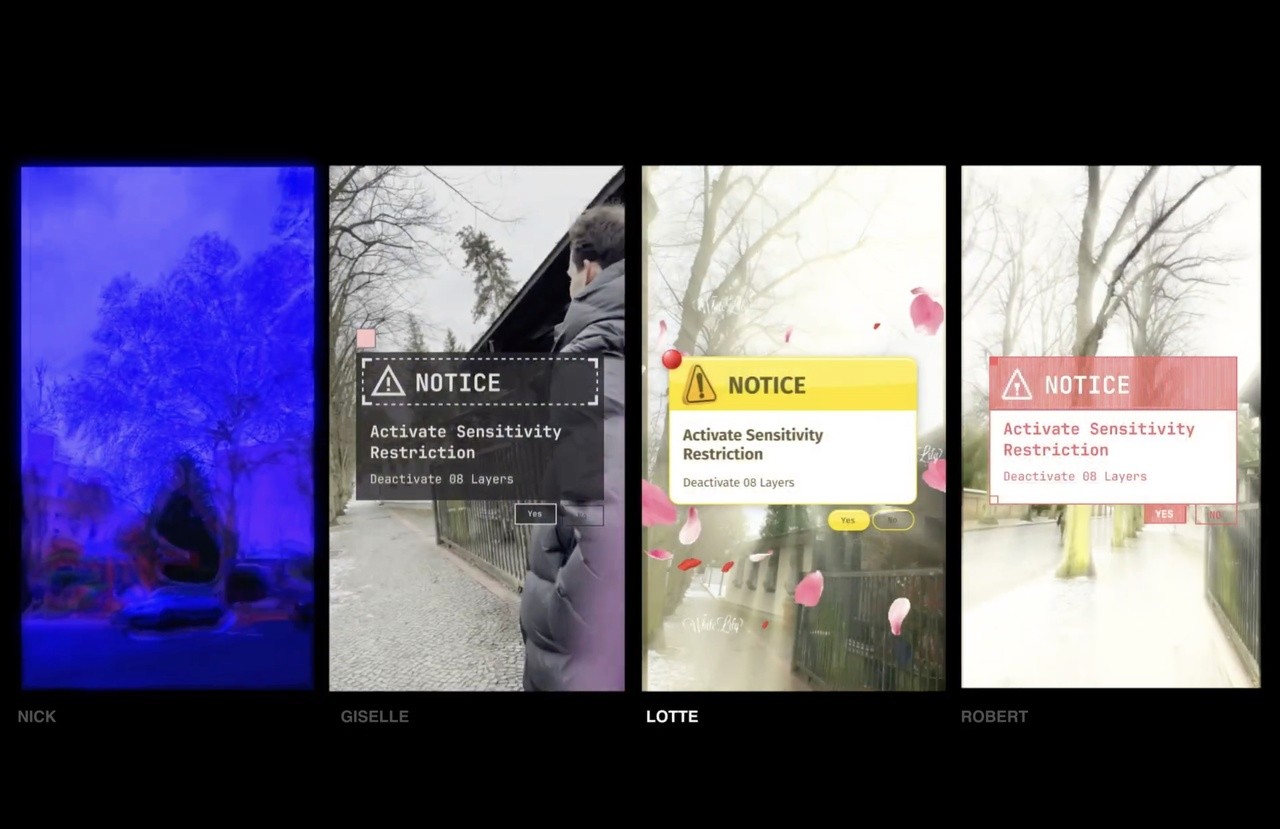
Sensitivity Restriction
Possibility to deactivate specific layers while in sensitive context
morality vs. personal beliefs
practicality and safety
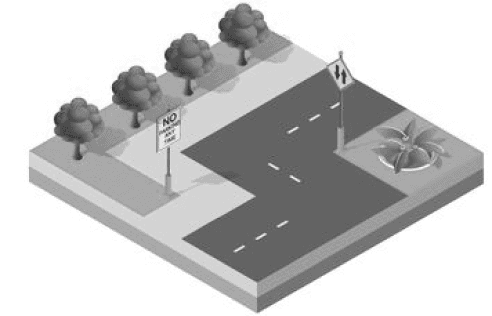
On the streets: neutral zone; no restrictions
Advertisement Zone
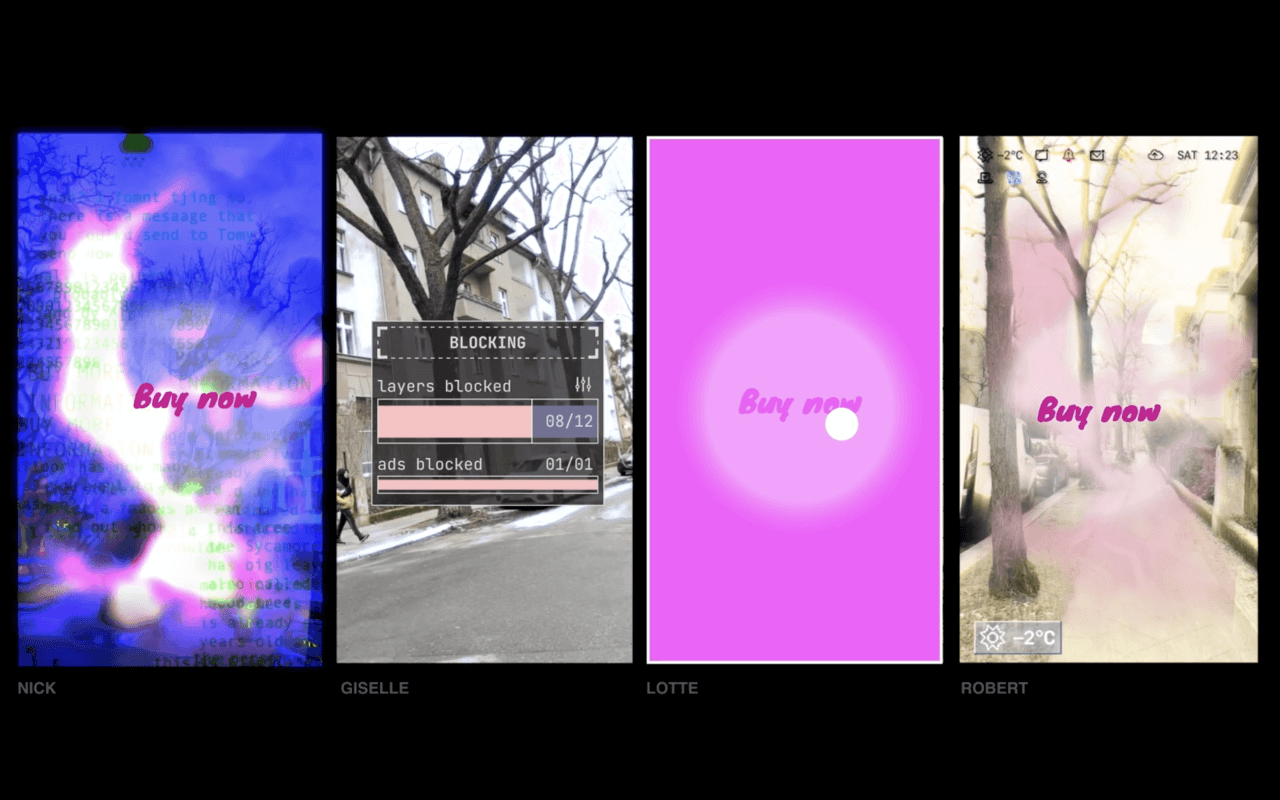
Ads for packages appear in vision
big polarisation in general experience and awareness of environment, again conflict of personal space in a public space
At the Cemetery
text
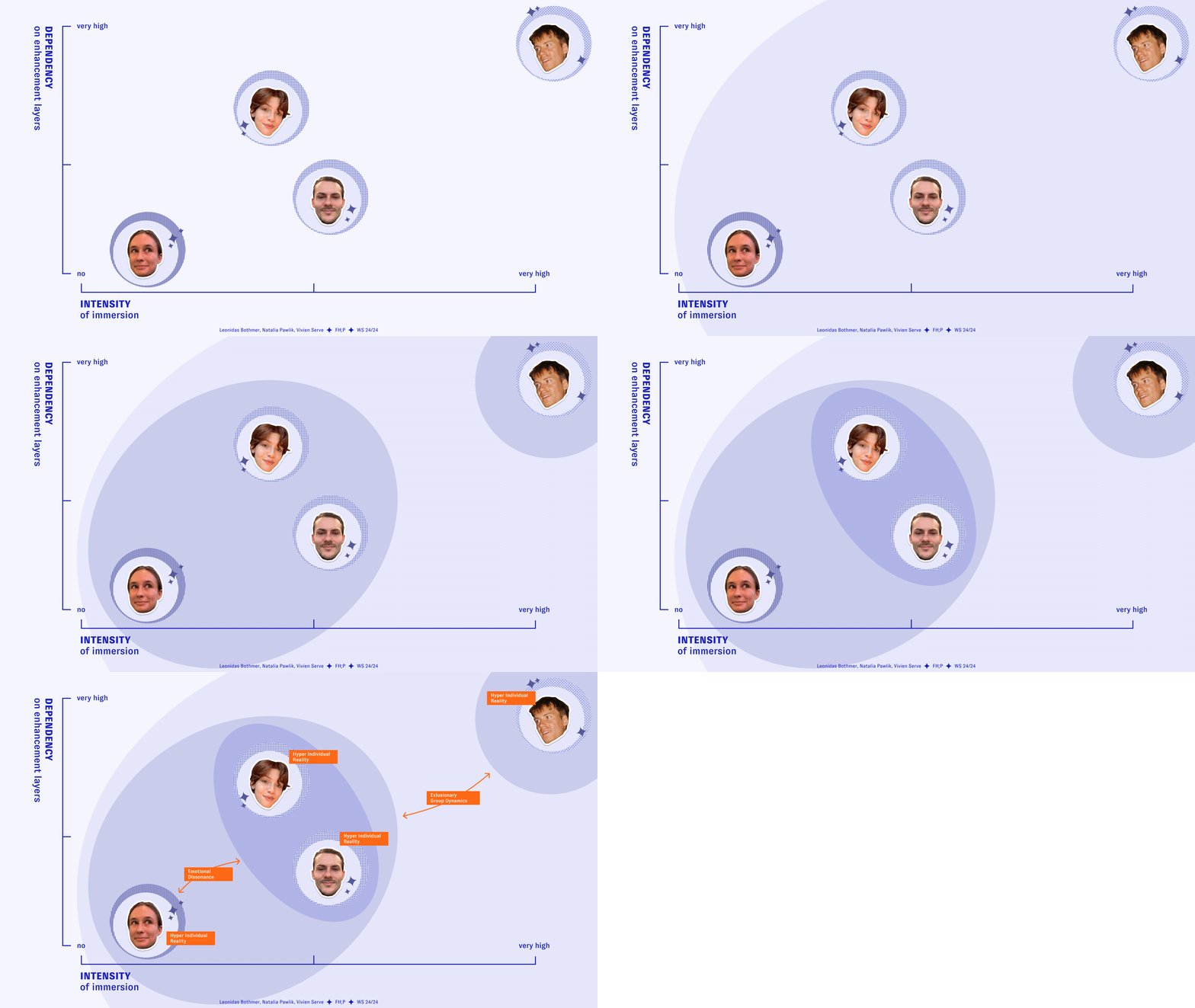
What happens to social interactions in times when individuals create their own perceptions of reality?
When digital technologies are embedded in the physical world? Where these phygital worlds are individual, visible to some and invisible to others?
This project constructs a world that vividly imagines a future in which immersive digital technologies shape everyday perception, in order to formulate rules and regulations for such technologies in relation to different places and their distinct connotations within urban space.
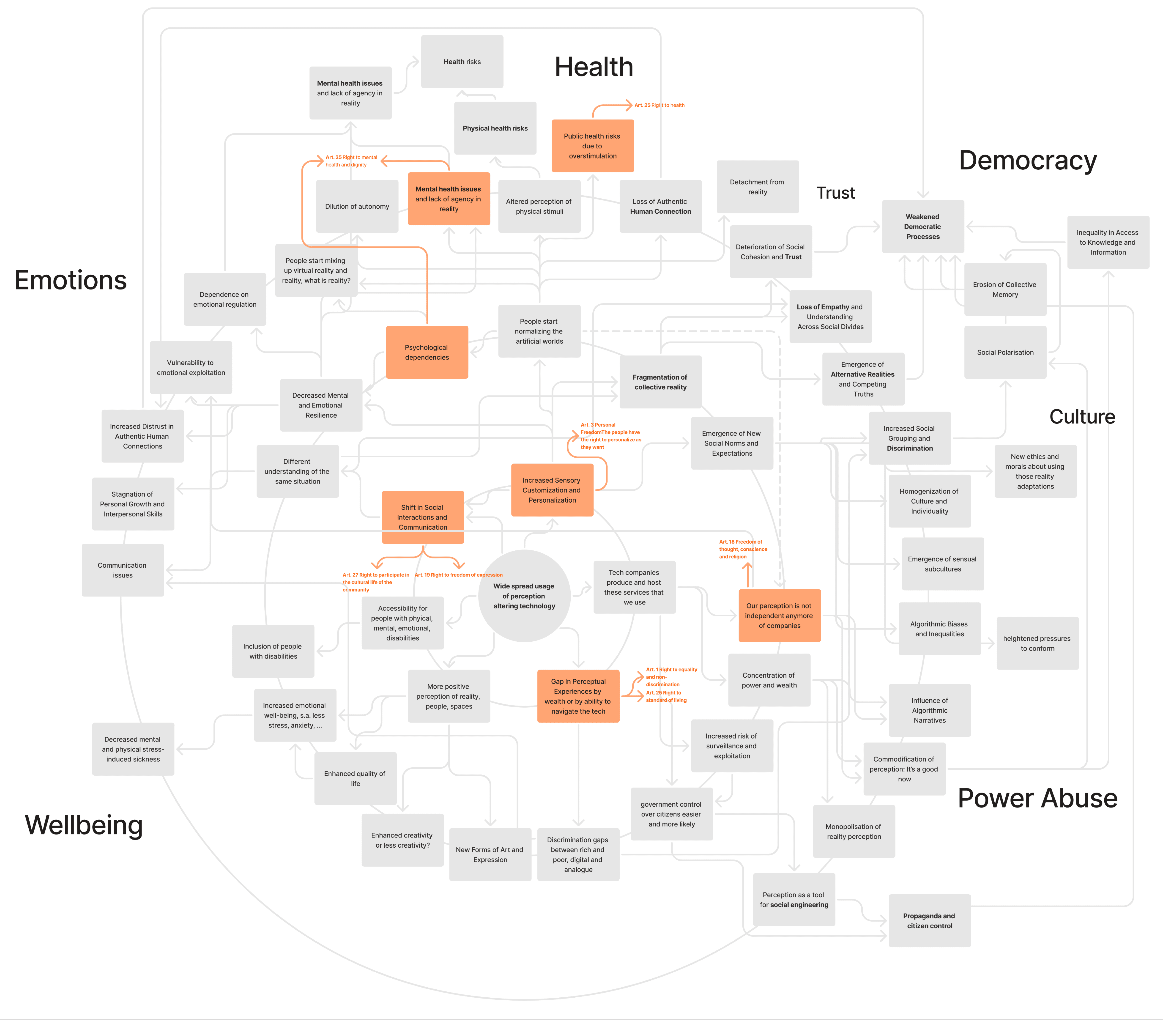
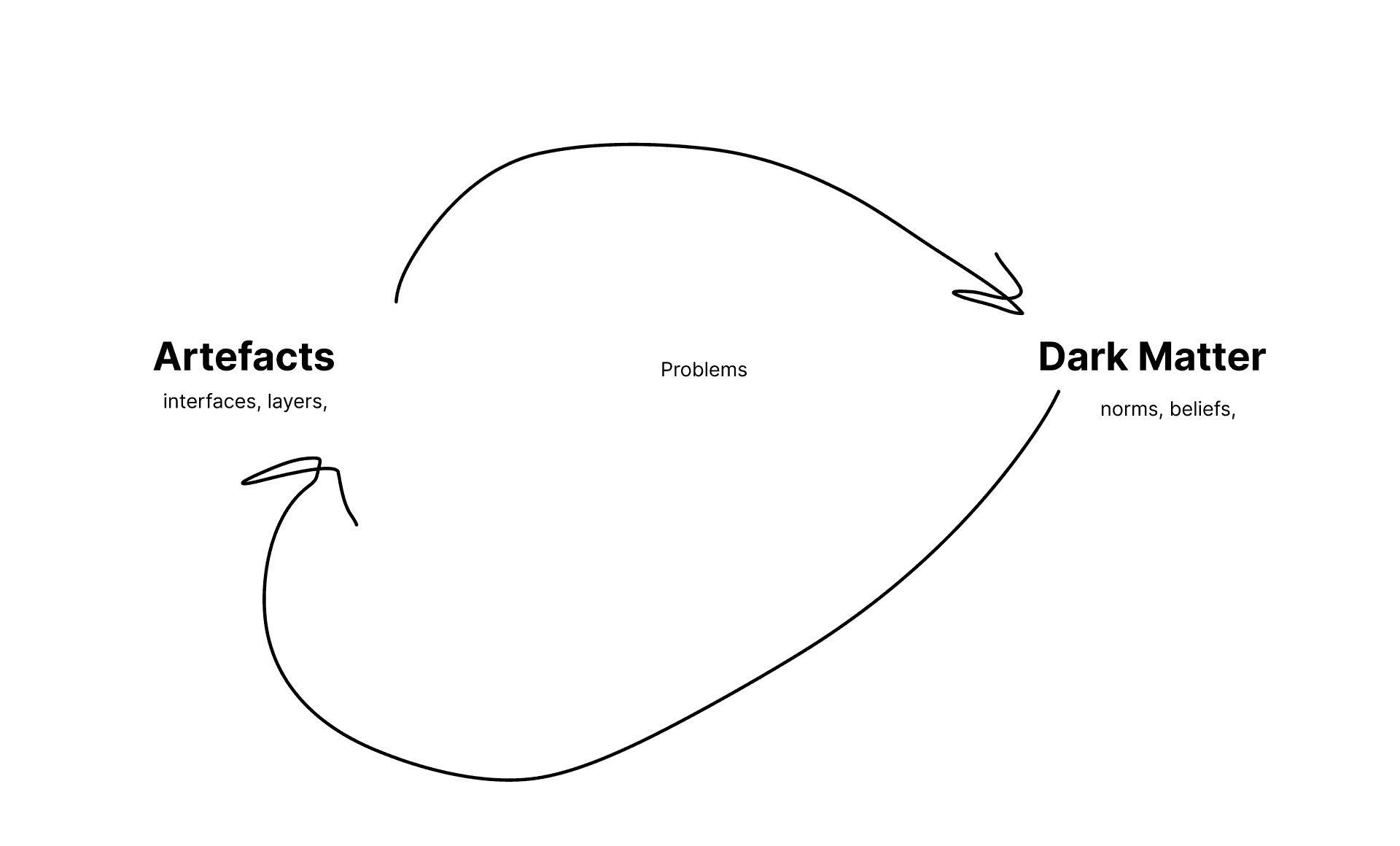
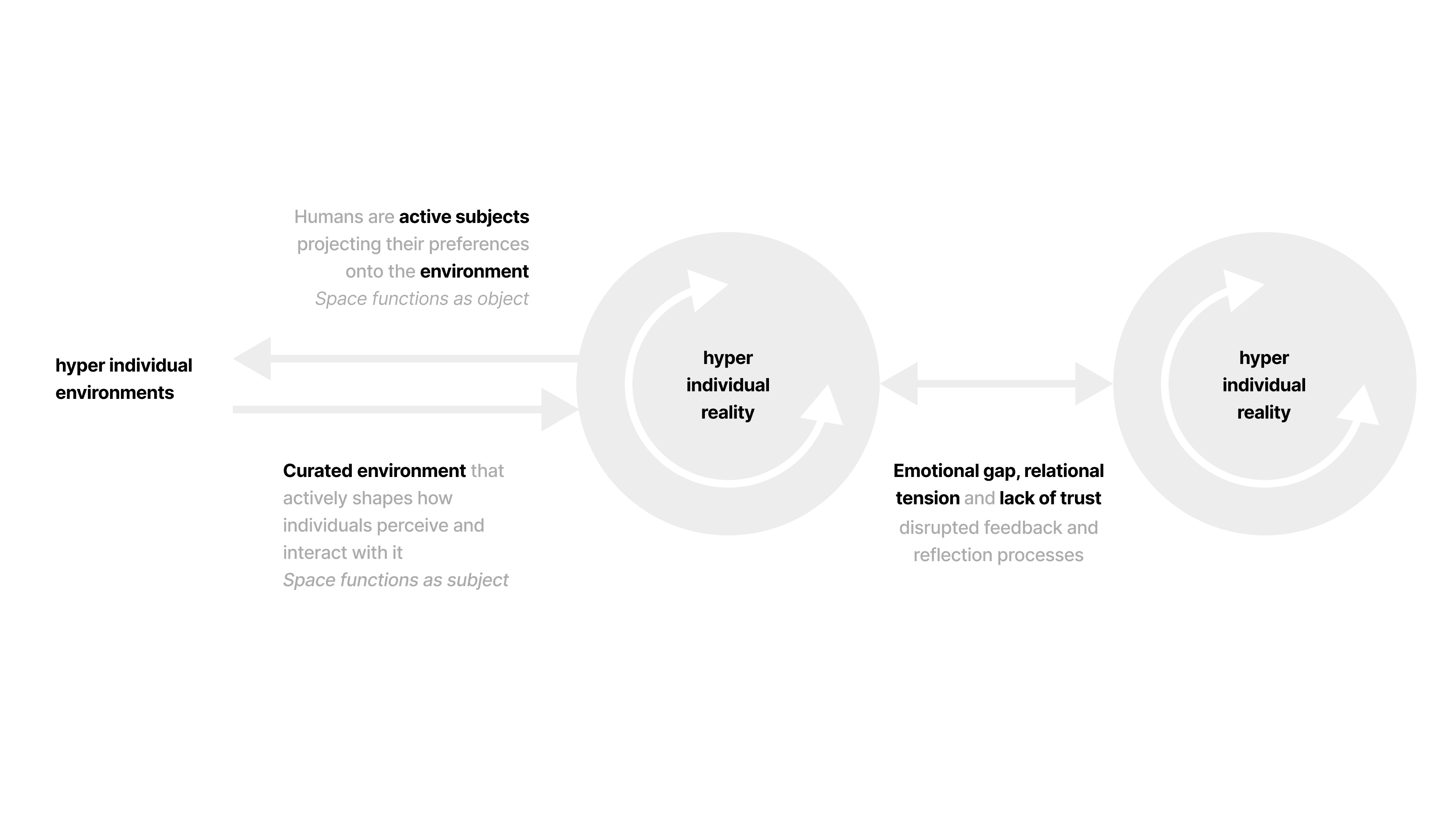
Through the research-process, core tensions mirroring three intertwined structures of conflict: person to person, person to reality, and person to space started crystallizing out. In the third, interestingly, the familiar relationship—where space is shaped by us and thus remains the object—begins to shift. Space, understood as a distributed canvas across different locations, starts to shape our content and experience in return, subtly repositioning itself as the subject. In this role, it shapes the object (the user) through its own form.
Thus, different locations have different impacts on perception.
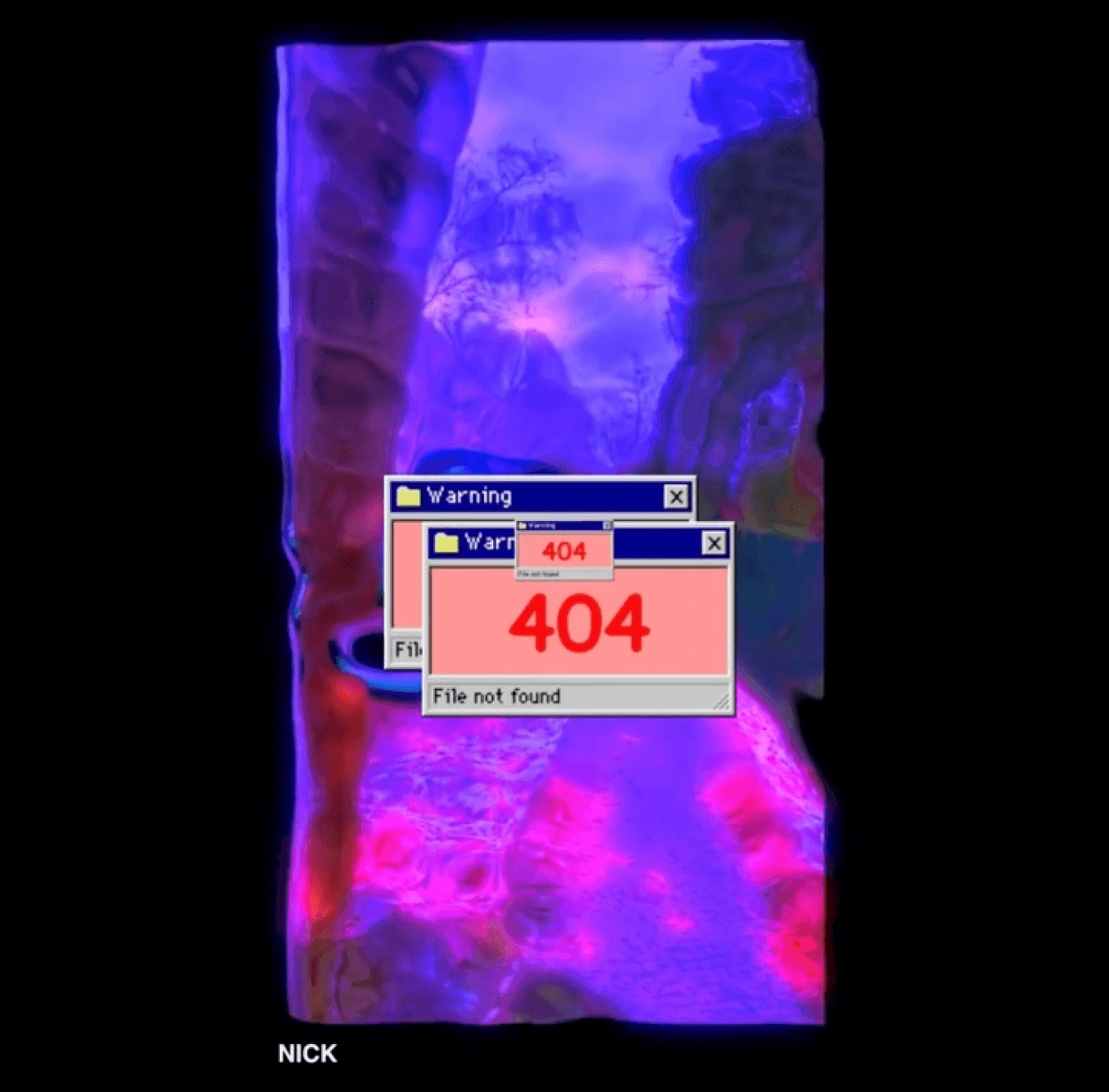
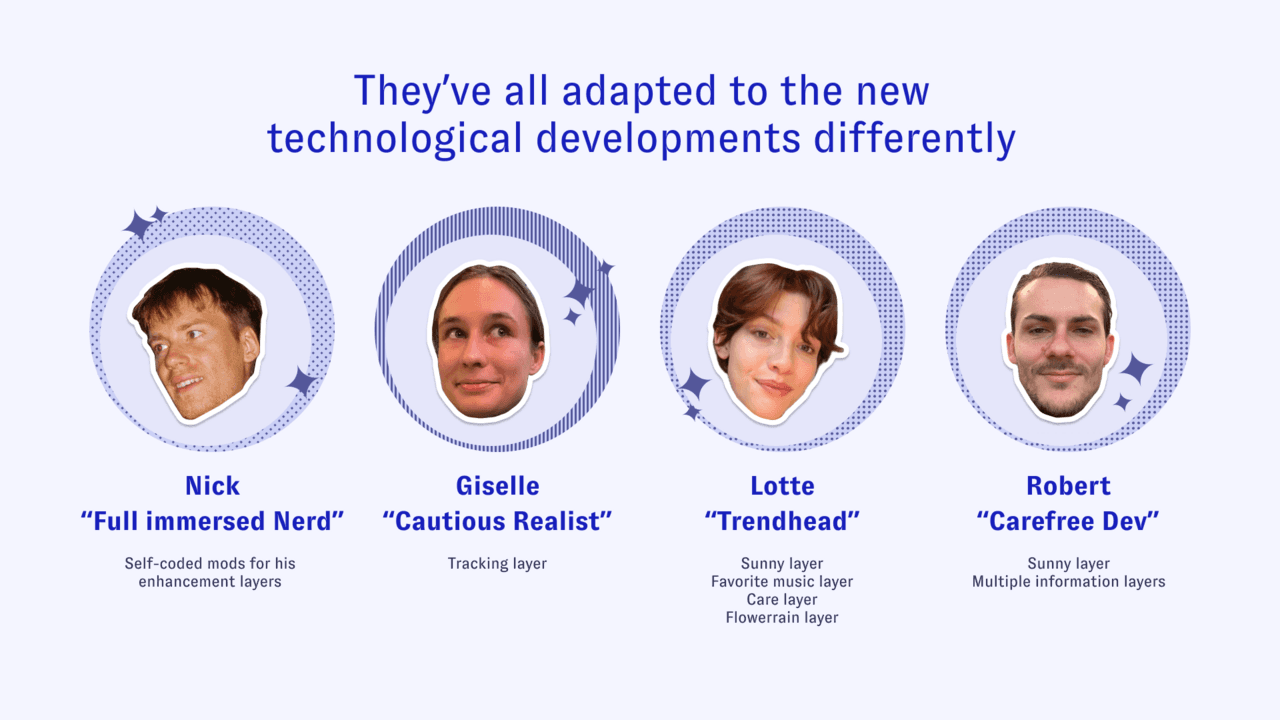
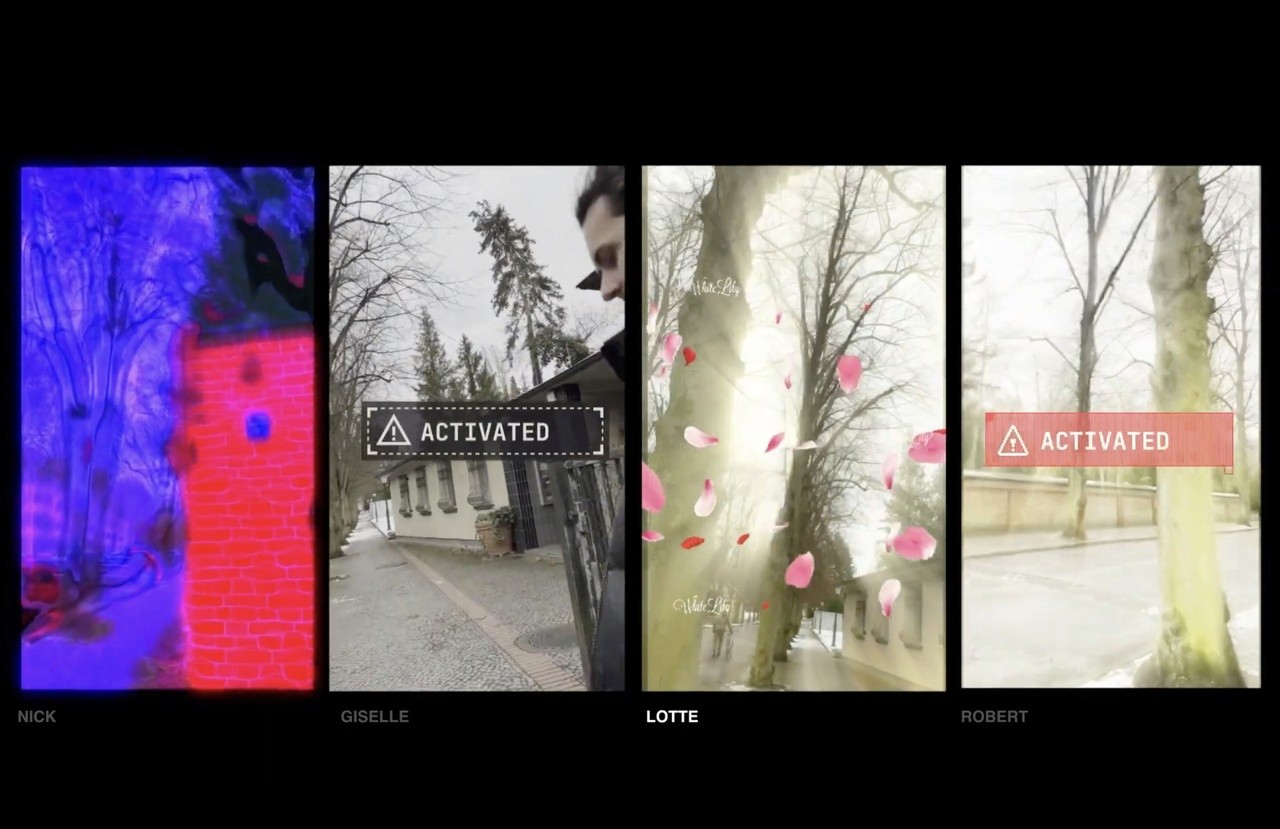
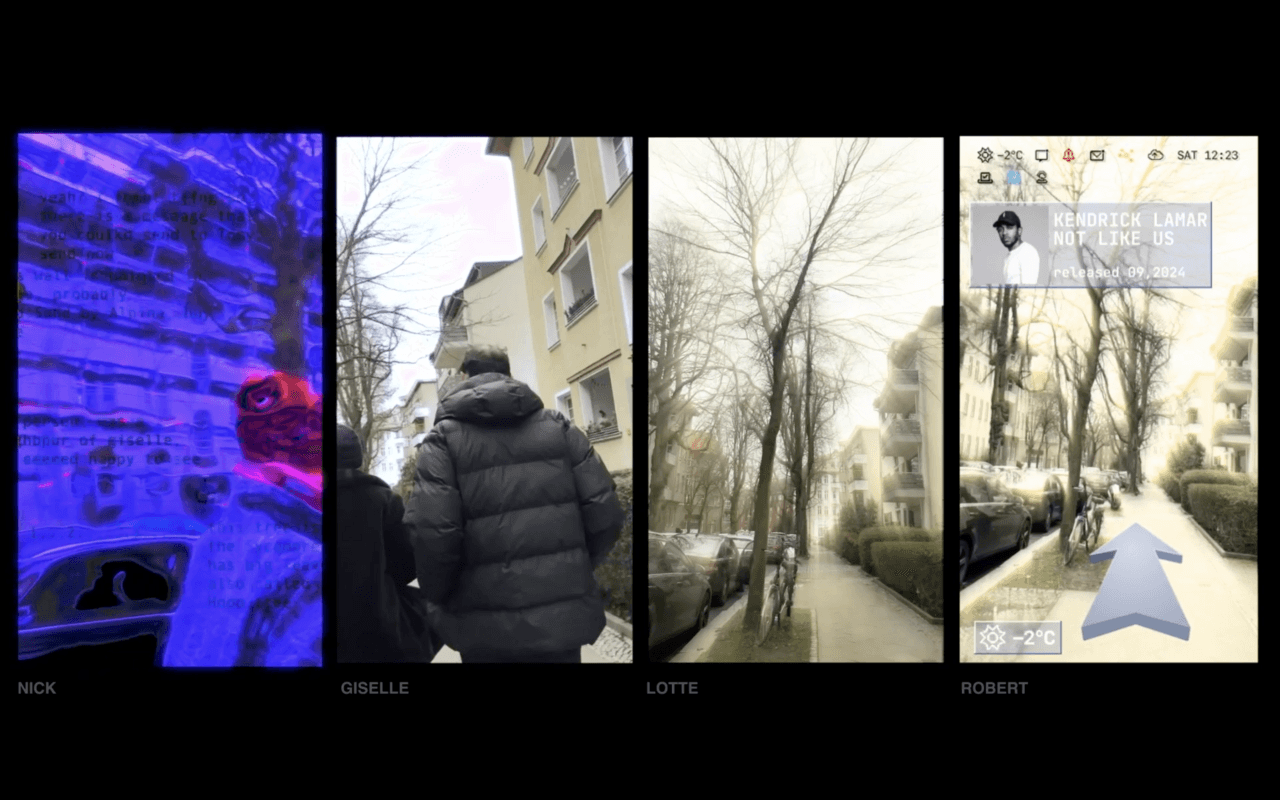
A speculative video prototype tells the story of four individuals with different types and intensities of engagement with the technology. Moving away from binary storytelling, it presents multiple points of view that highlight relativity, exploring how conflicts emerge across different locations.
Potential regulatory implications, especially concerning personal freedoms:
Article 19
Everyone has the right to freedom of opinion and expression; this right includes freedom to hold opinions without interference and to seek, receive and impart information and ideas through any media and regardless of frontiers.
Article 19.1
Every individual has the inalienable right to be perceived in their natural state, free from external alterations or distortions imposed by sensory adaptation layers or similar technologies.
Graphics
graphics
text
What happens to social interactions in times when individuals create their own perceptions of reality?
When digital technologies are embedded in the physical world? Where these phygital worlds are individual, visible to some and invisible to others?
This project constructs a world that vividly imagines a future in which immersive digital technologies shape everyday perception, in order to formulate rules and regulations for such technologies in relation to different places and their distinct connotations within urban space.
Through the research-process, core tensions mirroring three intertwined structures of conflict: person to person, person to reality, and person to space started crystallizing out. In the third, interestingly, the familiar relationship—where space is shaped by us and thus remains the object—begins to shift. Space, understood as a distributed canvas across different locations, starts to shape our content and experience in return, subtly repositioning itself as the subject. In this role, it shapes the object (the user) through its own form.
Thus, different locations have different impacts on perception.
A speculative video prototype tells the story of four individuals with different types and intensities of engagement with the technology. Moving away from binary storytelling, it presents multiple points of view that highlight relativity, exploring how conflicts emerge across different locations.
Potential regulatory implications, especially concerning personal freedoms:
Article 19
Everyone has the right to freedom of opinion and expression; this right includes freedom to hold opinions without interference and to seek, receive and impart information and ideas through any media and regardless of frontiers.
Article 19.1
Every individual has the inalienable right to be perceived in their natural state, free from external alterations or distortions imposed by sensory adaptation layers or similar technologies.
10/10/25 —
21/01/26
with
Jan
Schlieben
Research
Speculation
UI/UX
Phygital Spaces