10/2025 —
02/2026

UX,

Speculation

with

Anton

Schmolze,

Enrico

Reinhardt,

Annika

Ehritt

S-Cube

Focusing on bridging fears and trust gaps surrounding digitalization, the project explores how Berlin’s public services can become more accessible and transparent, easing bureaucratic processes while remaining sensitive to diverse user needs and attitudes toward digital change.


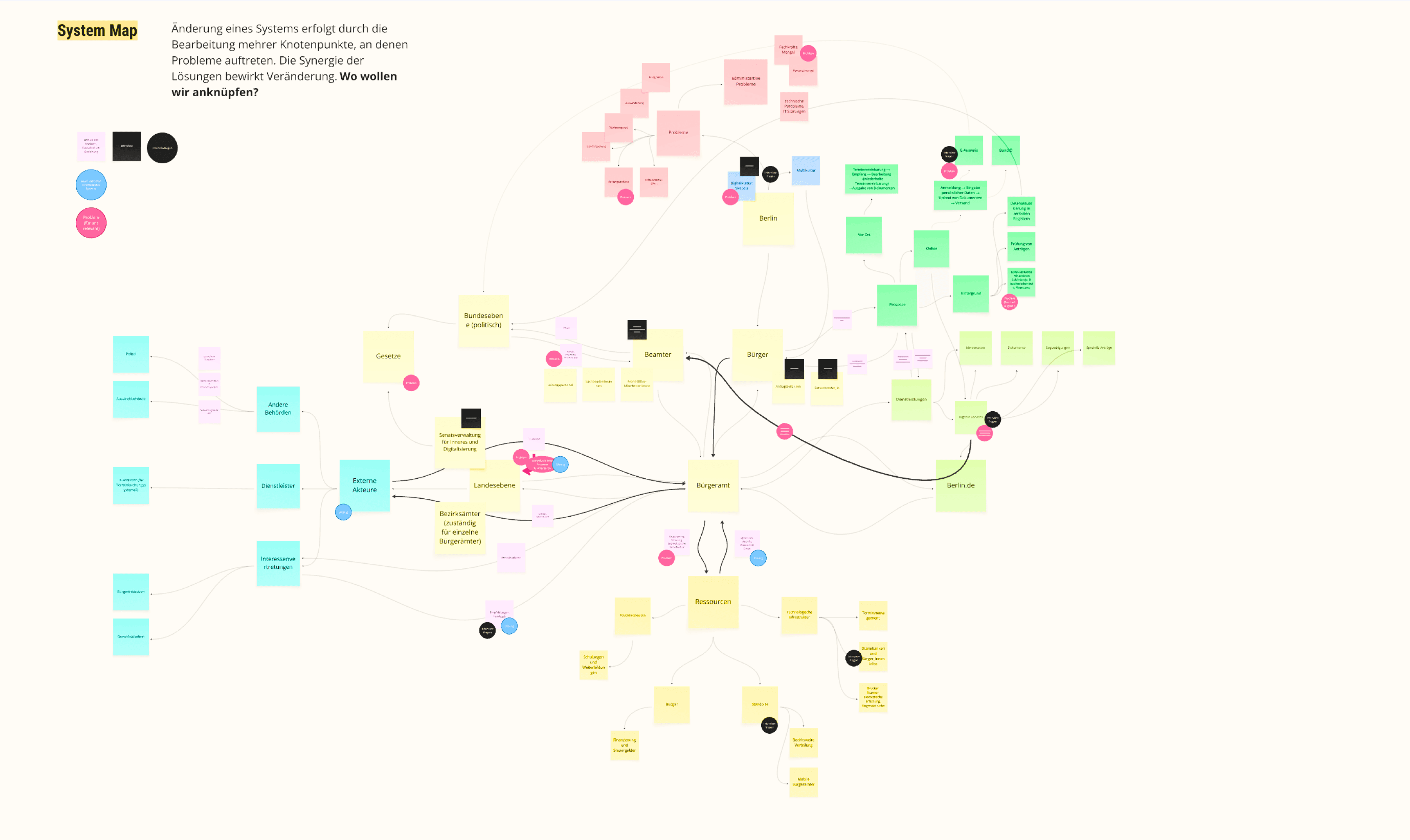
This initial research phase was intentionally open-ended, serving as a way to identify opportunities for improving the German administrative process. Beginning with an analysis of Berlin.de, the systemic complexity of public service design in Germany quickly became apparent—a classic wicked problem. The resulting frustration turned into a productive force and led the project toward speculative design as a method of inquiry.

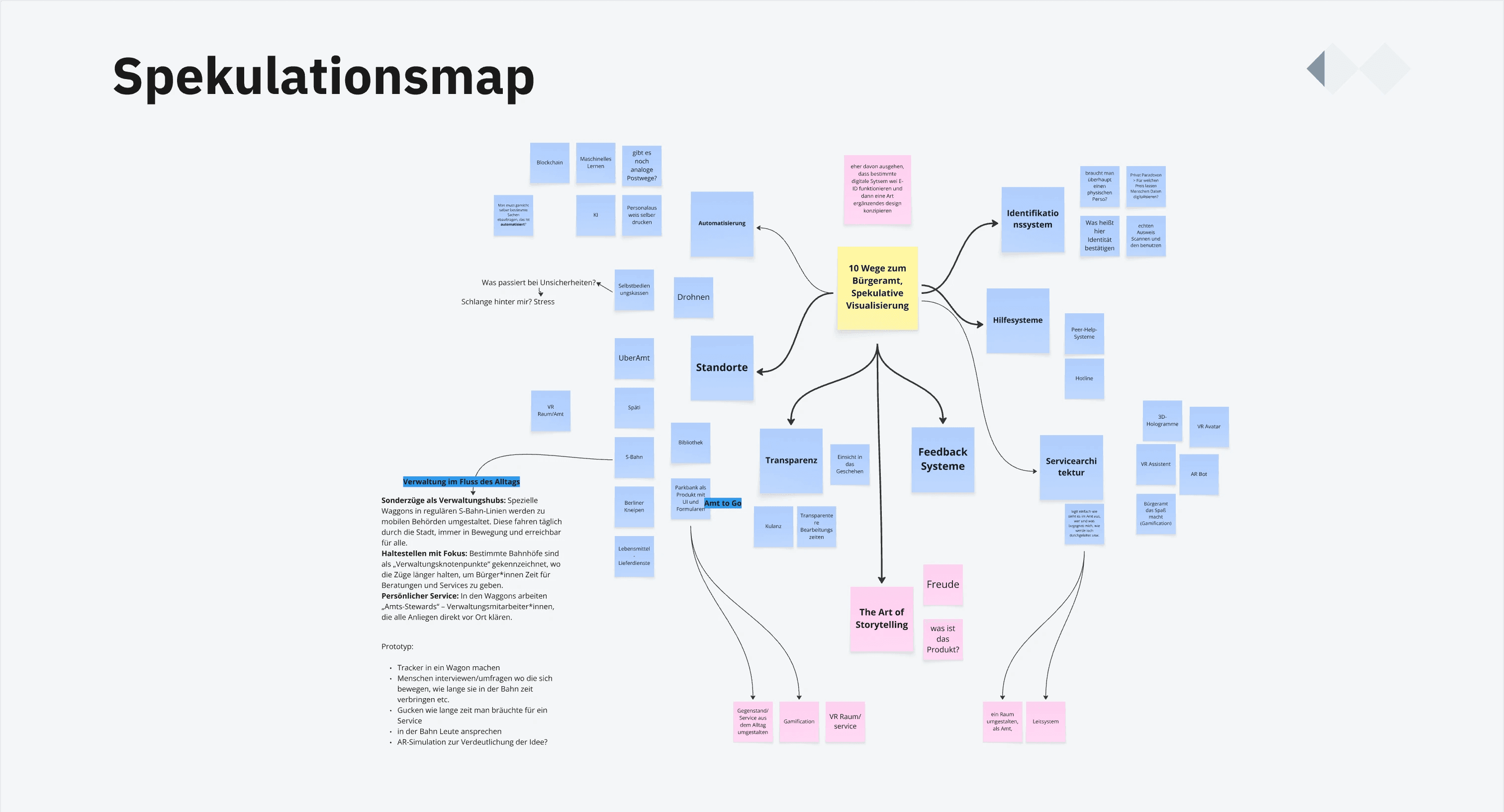
What could a speculative scenario look like that relieves Berlin’s citizens’ offices (Bürgerämter) in terms of appointment scheduling, and thereby makes the process easier for citizens?

Focusing on bridging fears and trust gaps surrounding digitalization, the project explores how Berlin’s public services can become more accessible and transparent, easing bureaucratic processes while remaining sensitive to diverse user needs and attitudes toward digital change.


This initial research phase was intentionally open-ended, serving as a way to identify opportunities for improving the German administrative process. Beginning with an analysis of Berlin.de, the systemic complexity of public service design in Germany quickly became apparent—a classic wicked problem. The resulting frustration turned into a productive force and led the project toward speculative design as a method of inquiry.

What could a speculative scenario look like that relieves Berlin’s citizens’ offices (Bürgerämter) in terms of appointment scheduling, and thereby makes the process easier for citizens?


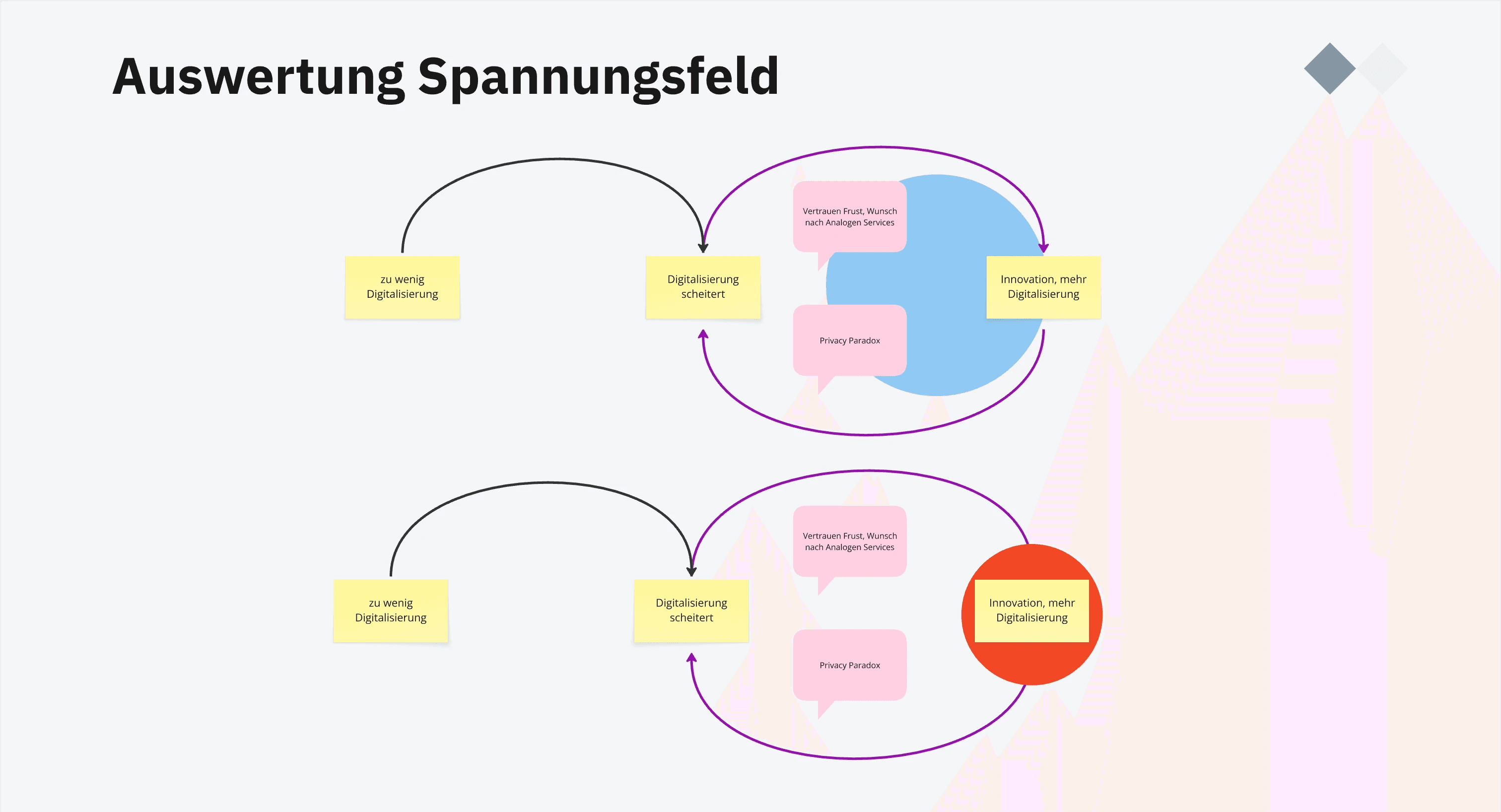
After defining the problem space, the project moved into a second research phase, focusing on archetypes, user journeys, and interviews with both experts and everyday users. From the user perspective, the central conflict emerged as a polarization between those who fear or reject digitalization and those who primarily seek greater ease and efficiency in their administrative experience.
“All services are based on legislation anyway – in fact, everything could be automated” (Lisa, works at City Lab)

„Alle Leistungen sind eh gesetzesbasiert – eigentlich könnte alles wegautomatisiert werden.“ (Lisa, arbeitet beim City Lab)

“...Right to an analogue life!” (Lena, journalist)

„...Recht auf analoges Leben!“(Lena, Journalisitn, Fokus Politik)

“I just want things to work, but I want my data to remain secure.” (Emily, student)

„Ich will einfach nur, dass Dinge funktionieren, aber meine Daten sollen sicher bleiben.“ (Emily, Studentin)

digital

analog

Improvement of user experience

Information about digitalisation

Trust-building policies, explanations, transparency

analog Servises and personal assistance


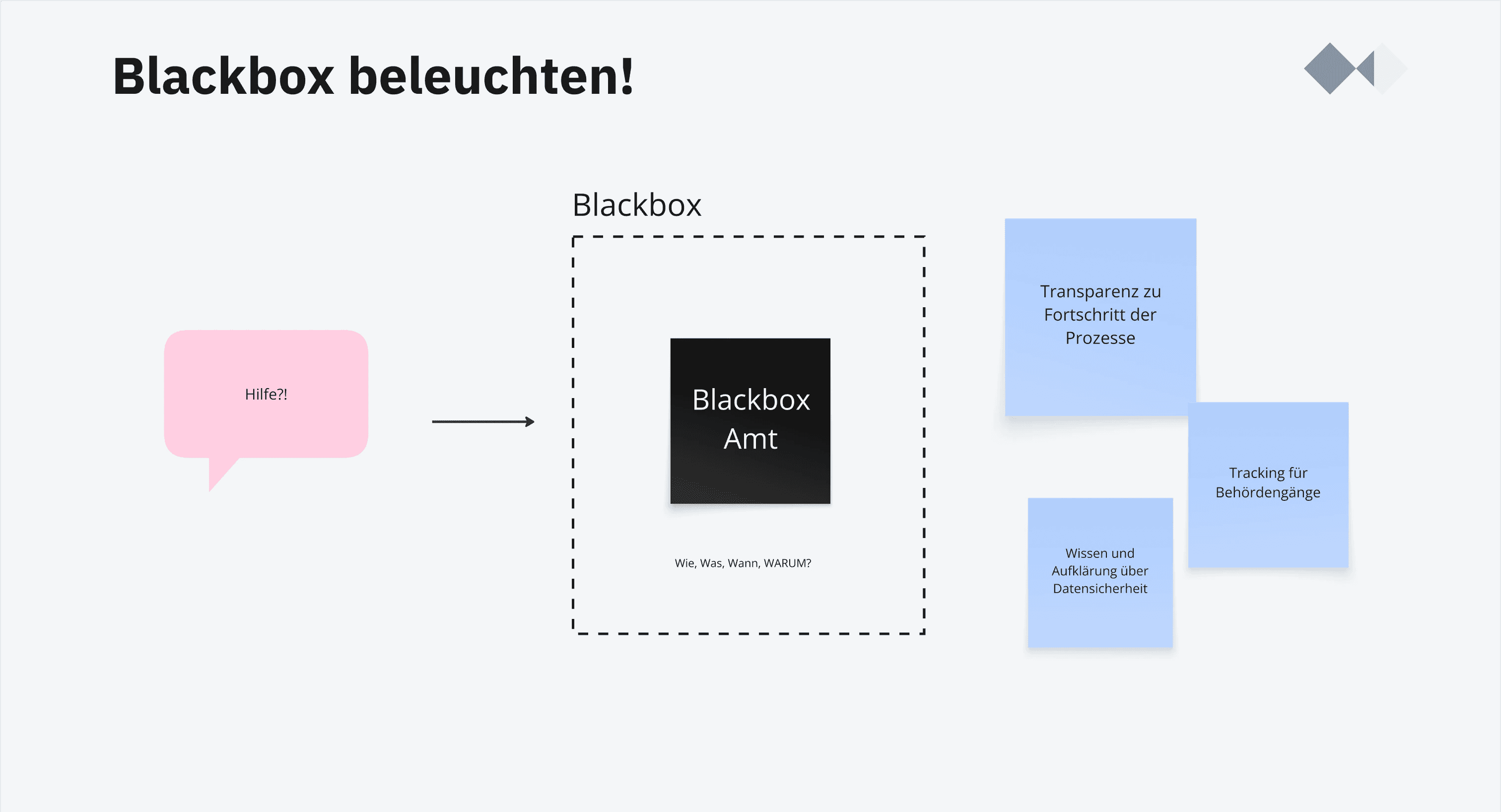
A key finding of the user research was that the pressure and desire for increased digitalization are strongly shaped by trust gaps and a heightened need for security. As a result, the focus shifted toward creating transparency and alleviating fears surrounding digital transformation.

By integrating analogue components as bridges into the digital space, actively involving users, and clearly explaining processes, the project aims to build trust and gradually integrate people into digital workflows.


A key finding of the user research was that the pressure and desire for increased digitalization are strongly shaped by trust gaps and a heightened need for security. As a result, the focus shifted toward creating transparency and alleviating fears surrounding digital transformation.

By integrating analogue components as bridges into the digital space, actively involving users, and clearly explaining processes, the project aims to build trust and gradually integrate people into digital workflows.

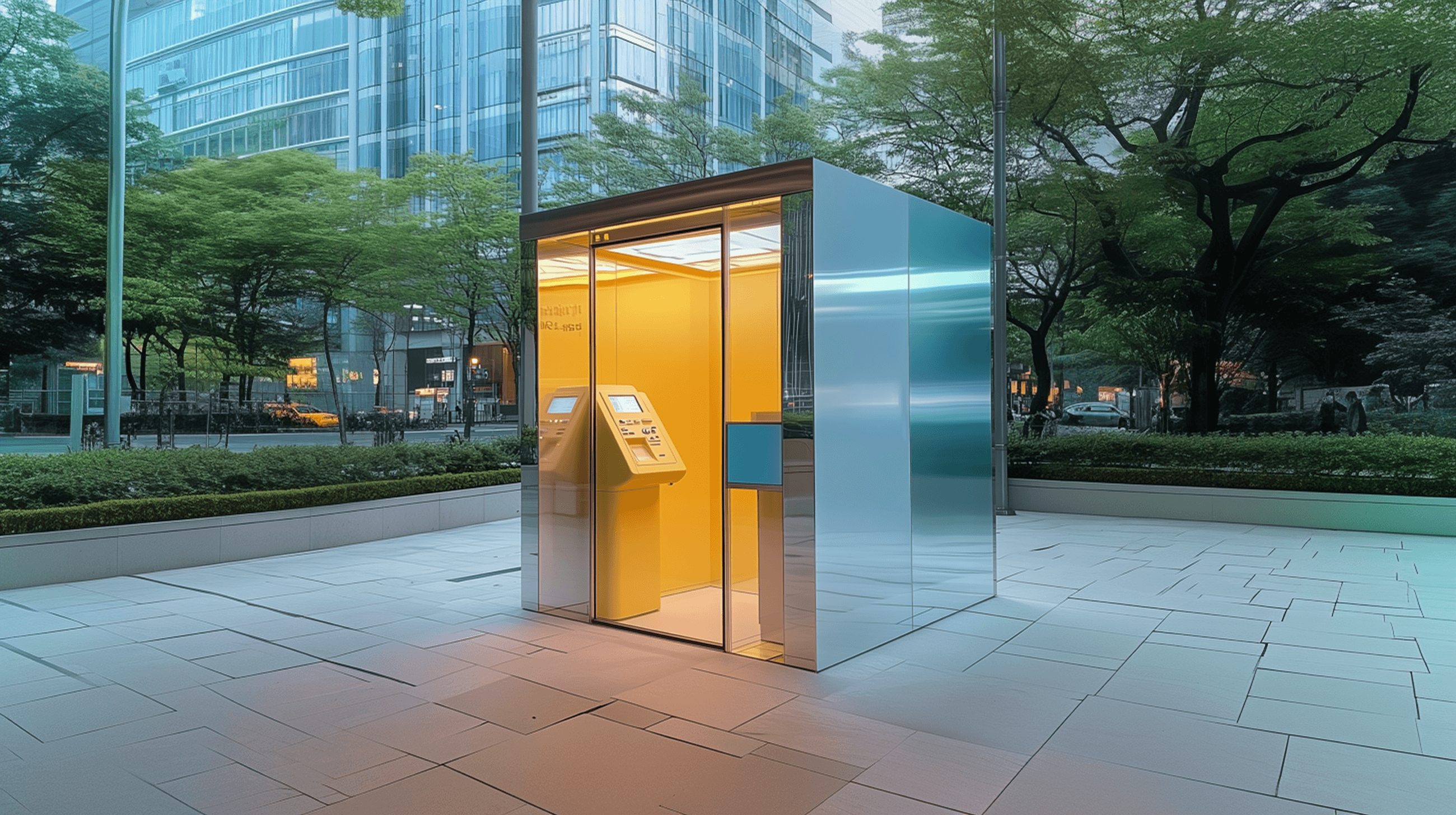
In the third phase, following the parallel product development towards decentralised service locations that ran throughout the entire project, the Service Cube was developed in detail. The Cube evolved from an analytical status interface to a hybrid management location where digital and analogue services are brought together. Building on expanded archetypes, the focus was on accessibility, trust and transparency, implemented through auditory interfaces, holographic visualisations, haptic guidance systems and analogue service offerings. The architectural design is based on the principles of Shigeru Ban and uses transparency as a central symbolic element. In addition, speculative extensions were formulated, for example regarding the mobility of the Cubes, their integration into existing infrastructures such as the S-Bahn system, and the possible future decoupling of service interfaces from fixed locations. The cube alslo illustrates possible conflicts of privacy, that may still arise even though transparency is addressed, opening up a problem space within a solution.


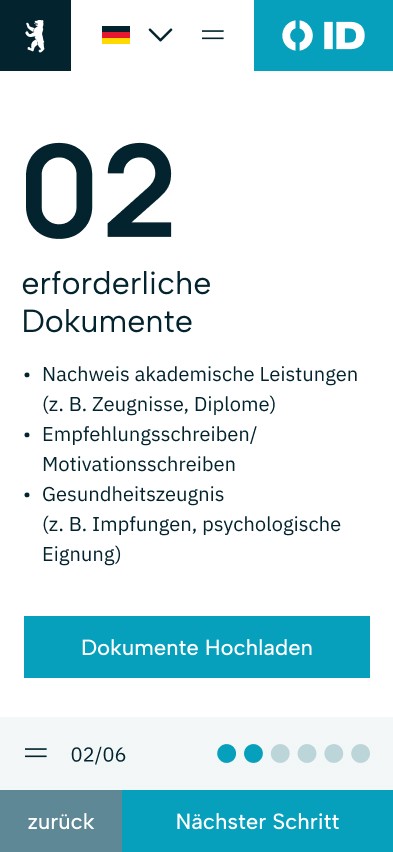
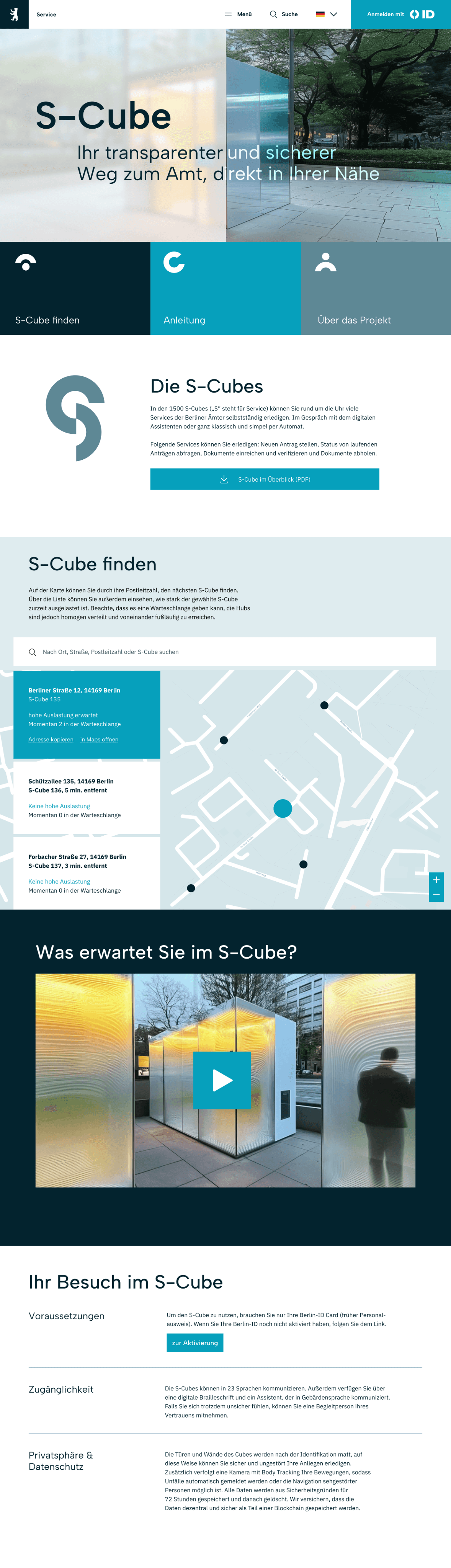
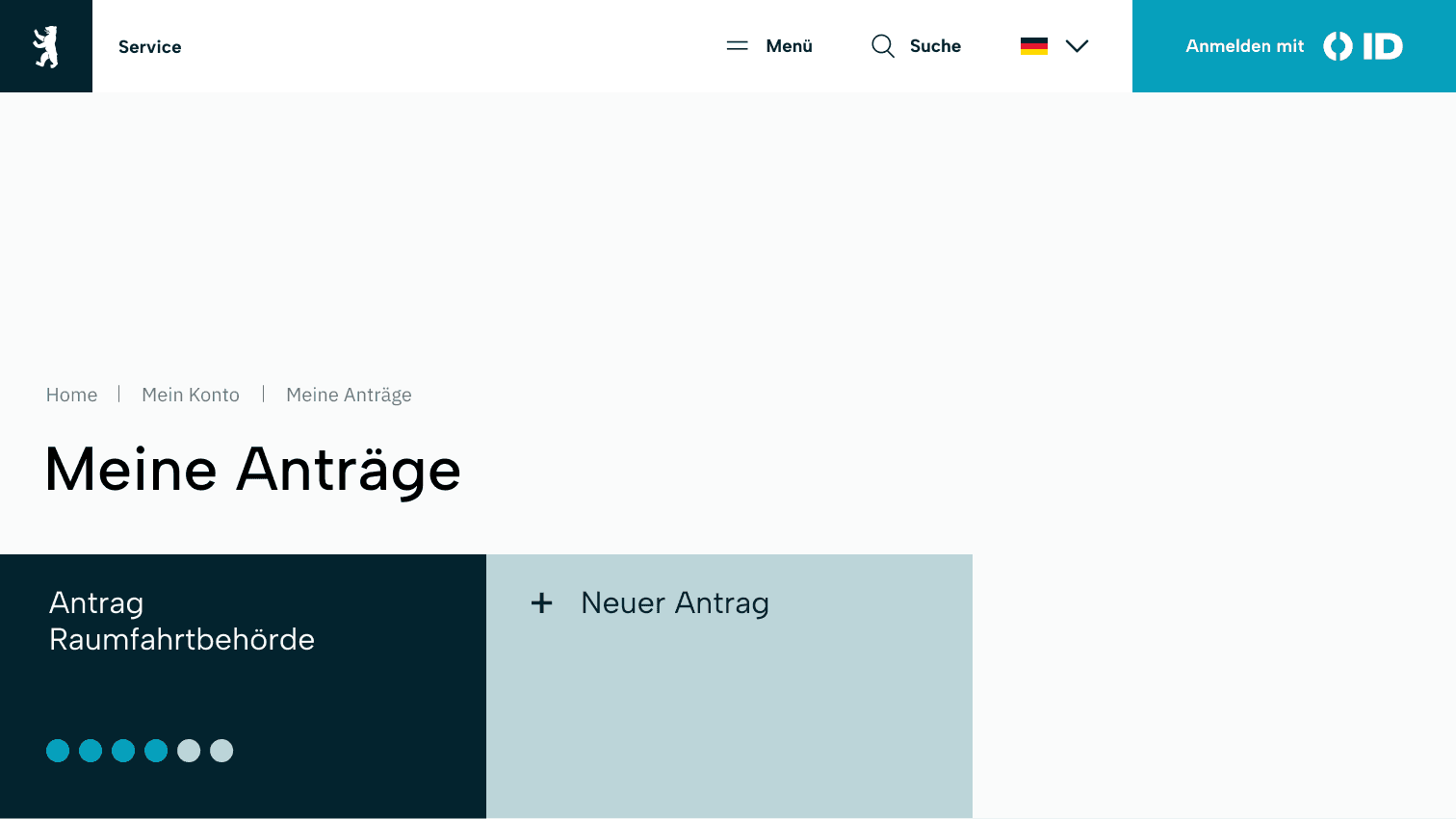
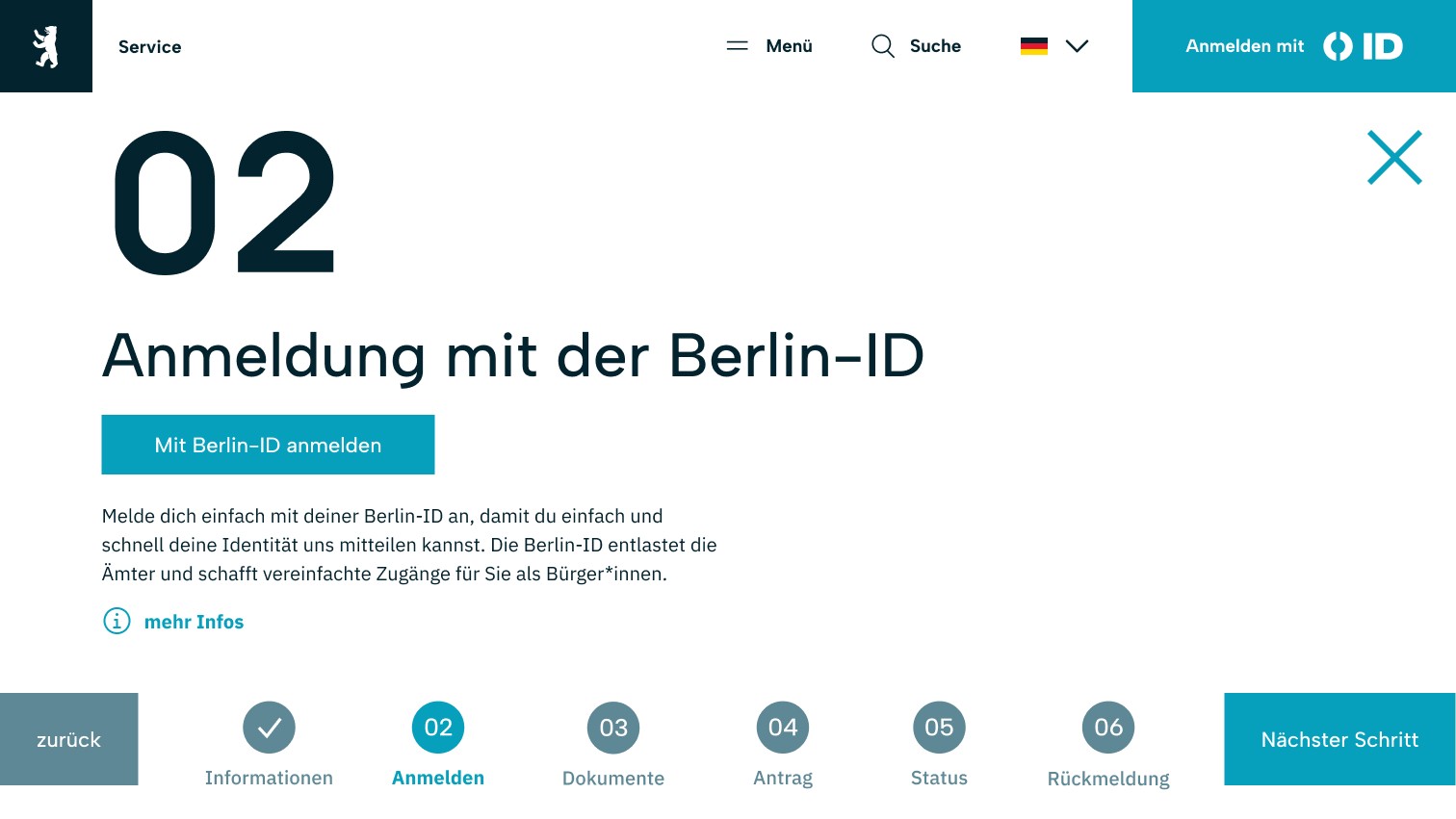
The supplementary website is based on Berlin.de, is getting a UX and UI update, and also focuses on education, information and trust, particularly with regard to the S-Cube, its locations and interaction.
10/2025 —
02/2026

UX,

speculation

with

Anton

Schmolze,

Enrico

Reinhardt,

Annika

Ehritt

S-Cube

“All services are based on legislation anyway – in fact, everything could be automated” (Lisa, works at City Lab)

„Alle Leistungen sind eh gesetzesbasiert - eigentlich könnte alles weggautomatisiert werden“ (Lisa, arbietet bei City Lab)

“...Right to an analogue life!” (Lena, journalist)

„...Recht auf analoges Leben!“ (Lena, Journalisitn, Fokus Politik)

“I just want things to work, but I want my data to remain secure.” (Emily, student)

„Ich will einfach nur, dass Dinge funktionieren, aber meine Daten sollen sicher bleiben.“ (Emily, Studentin)

digital

analog

analog Servises and personal assistance

Improvement of user experience

Trust-building policies, explanations, transparency

Information about digitalisation